Angkor Wat Temple, Siem Reap – The Iconic Wonder of Cambodia
Angkor Wat Temple is the most famous landmark in Cambodia and one of the greatest architectural achievements in the world. Located just north of Siem Reap, Angkor Wat is the largest religious monument ever built and the centerpiece of the Angkor Archaeological Park.
Constructed during the early 12th century by King Suryavarman II, the temple was originally dedicated to the Hindu god Vishnu before gradually becoming a Buddhist temple. Its magnificent towers, extensive bas-reliefs, and grand galleries represent the peak of Khmer architecture and engineering.
Today, Angkor Wat attracts millions of visitors from around the world and remains a powerful symbol of Cambodia’s cultural heritage. Whether visiting at sunrise, sunset, or during the day, the temple offers an unforgettable experience filled with history, spirituality, and stunning architecture.
Quick Facts & Highlights
| Information | Details |
|---|
| Built | Early 12th Century (1113–1150 AD) |
| King | King Suryavarman II |
| Religion | Originally Hinduism, later Buddhism |
| Style | Classical Angkor Architecture |
| Location | Angkor Archaeological Park, Siem Reap |
| Best Time | Sunrise, early morning, or late afternoon |
| Visit Time | 2–4 hours |
Highlights
- Largest religious monument in the world
- UNESCO World Heritage Site
- Symbol of Cambodia and featured on the national flag
- Incredible bas-reliefs depicting Hindu epics
- Stunning central towers representing Mount Meru
- One of Southeast Asia’s most photographed landmarks
History of Angkor Wat Temple
Angkor Wat was commissioned by King Suryavarman II in the early 12th century as the state temple of the Khmer Empire.
Unlike most Khmer temples, which face east, Angkor Wat faces west. Historians believe this orientation may be connected to Vishnu, the temple’s original deity, or possibly to the king’s funerary intentions.
The temple was designed to represent Mount Meru, the sacred mountain at the center of the universe in Hindu cosmology. Surrounding moats, galleries, and towers symbolize the oceans and mountain ranges surrounding the divine realm.
Angkor Wat showcases the highest level of Khmer engineering and artistic achievement. Its walls are decorated with thousands of meters of detailed carvings depicting scenes from the Ramayana, Mahabharata, and historical events of the Khmer Empire.
Over the centuries, the temple gradually transitioned from Hinduism to Buddhism and remains an active place of worship today.
Location and How to Get There from Siem Reap City
Angkor Wat is located approximately 6 km north of Siem Reap city center within the Angkor Archaeological Park.
How to Get There
Tuk-tuk
Bicycle
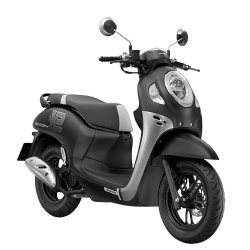
Scooter (where permitted)
Private car
Guided tour
Travel time from Siem Reap is usually around 10–20 minutes depending on traffic and your starting location.
The road is well maintained and passes through the beautiful Angkor forest area before reaching the temple entrance.
Attractions Nearby
Angkor Thom
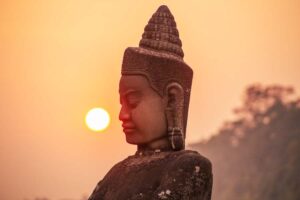
The last great capital of the Khmer Empire, Angkor Thom is home to the famous Bayon Temple with its giant smiling stone faces.
Bayon Temple
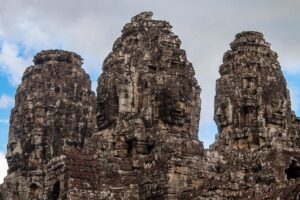
Known for its 54 towers decorated with over 200 stone faces, Bayon is one of the most unique temples in Cambodia.
Ta Prohm Temple
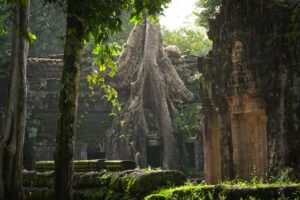
Popularly known as the “Tomb Raider Temple,” Ta Prohm is famous for giant tree roots growing over ancient stone structures.
Baphuon Temple
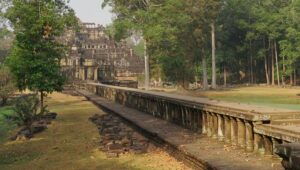
A magnificent temple mountain that offers panoramic views and showcases impressive restoration work.
Terrace of the Elephants
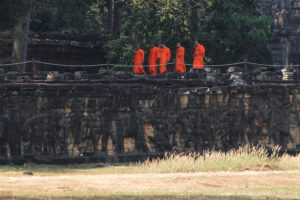
An impressive royal viewing platform used for ceremonies and public events during the Angkor period.
My Experience
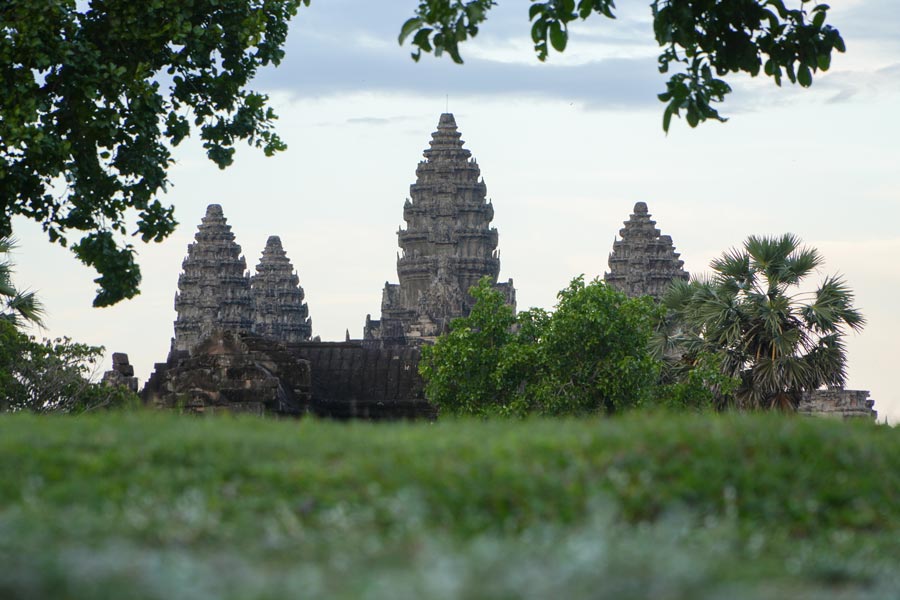
I visited Angkor Wat on 06 May 2026 and arrived at the temple around 5:30 PM. It was a little later than I originally planned, but there was still enough time to enjoy a relaxing walk around the temple grounds.
The weather was mostly cloudy, so there was no dramatic golden-hour sunlight illuminating the temple towers. However, the atmosphere was still beautiful in its own way. The soft clouds created a calm mood and made the ancient stone structures look even more mysterious.
Since it was the beginning of the rainy season, the landscape around Angkor Wat was becoming greener. The grass was fresh and vibrant, adding a beautiful contrast to the grey sandstone of the temple. The combination of green lawns, cloudy skies, and ancient architecture created excellent photography opportunities.
Although I missed the best sunset colors, I enjoyed the peaceful surroundings and fewer crowds compared to the busy sunrise period. Sometimes Angkor Wat is just as enjoyable without perfect weather, and this visit reminded me that every season offers a different perspective on Cambodia’s most famous temple.
Frequently Asked Questions
Is Angkor Wat included in the Angkor Pass?
Yes, Angkor Wat is included in all standard Angkor Pass options.
Why is Angkor Wat famous?
It is the largest religious monument in the world and one of the greatest achievements of Khmer architecture.
How old is Angkor Wat?
Construction began in the early 12th century, making the temple approximately 900 years old.
How long should I spend at Angkor Wat?
Most visitors spend between 2 and 4 hours exploring the temple.
Can visitors climb the central tower?
Yes, access is usually available through the Bakan Sanctuary, subject to visitor limits and dress code requirements.
What temples should I combine with Angkor Wat?
Bayon, Ta Prohm, Baphuon, and other temples within Angkor Thom are the most popular choices