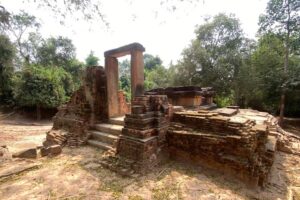
🌱 Temples & Landmarks of Angkor Thom – Green Season Rain & Mist
The ancient city of Angkor Thom, established in the late 12th century by King Jayavarman VII, is a masterpiece of Khmer architecture and urban planning. Enclosed within massive walls and gates, it served as the royal capital and spiritual heart of the empire. Within its vast square lie monumental terraces, mysterious towers, iconic temples, and reservoirs that reflect both grandeur and ingenuity.
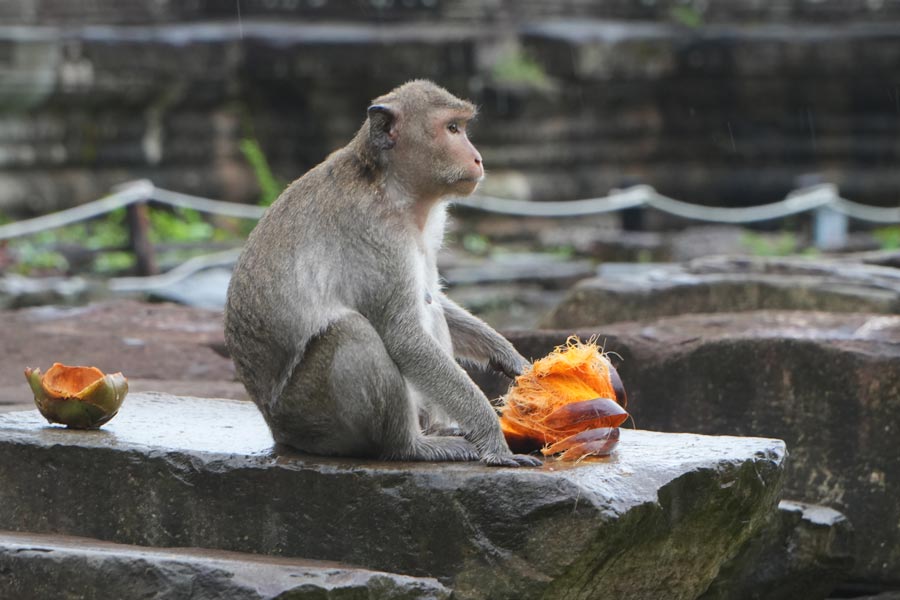
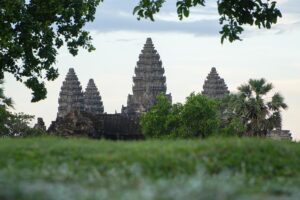
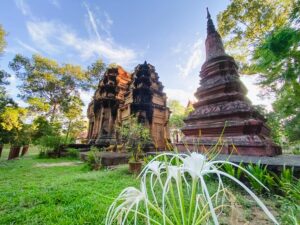
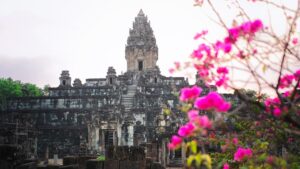
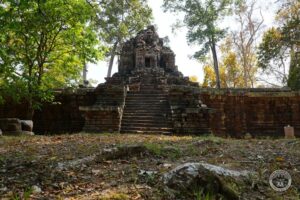
During Cambodia’s green season, Angkor Thom transforms into a living canvas of rain and mist. The drizzle enhances carvings, the fog drifts across reservoirs, and the lush greenery frames every monument in vivid contrast. From the smiling faces of Bayon to the solemn towers of Prasat Suor Prat, each site reveals a different mood under the rain. Exploring Angkor Thom in this season is not just a journey through history—it is an immersion into nature’s quiet embrace, where stone and water meet in timeless harmony.
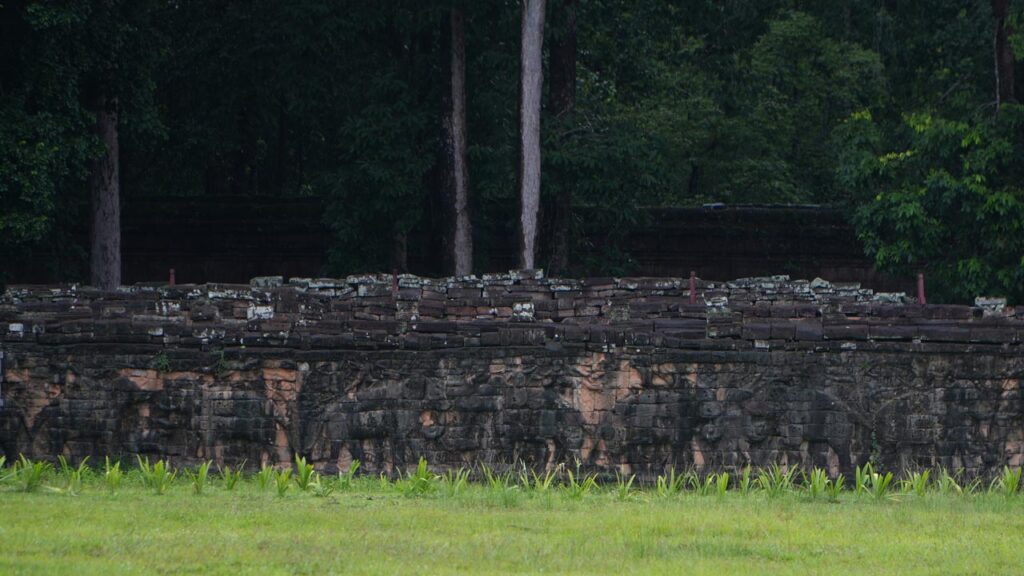
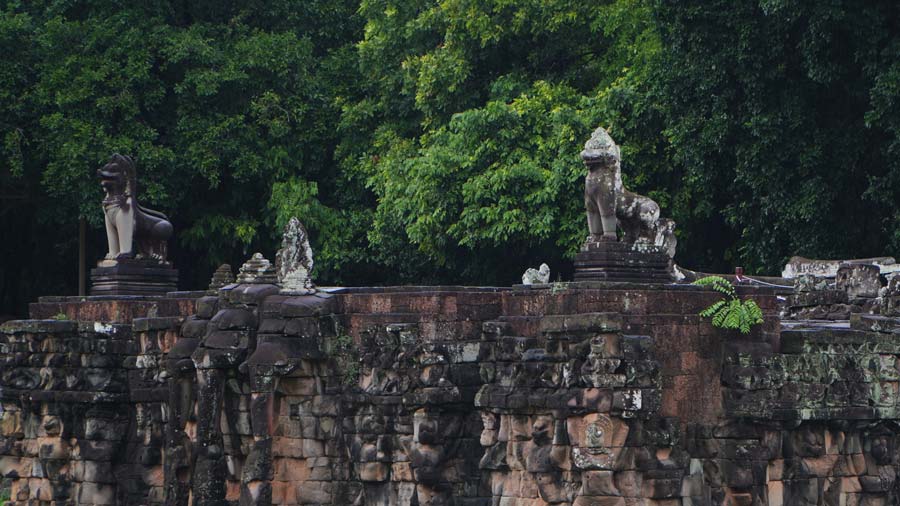
Terrace of the Elephants
Built in the late 12th century under King Jayavarman VII, the Terrace of the Elephants stretches over 300 meters and served as a grand platform for royal ceremonies and public addresses. Its carvings of elephants, garudas, and mythical creatures reflect the artistry and symbolism of the Khmer Empire.
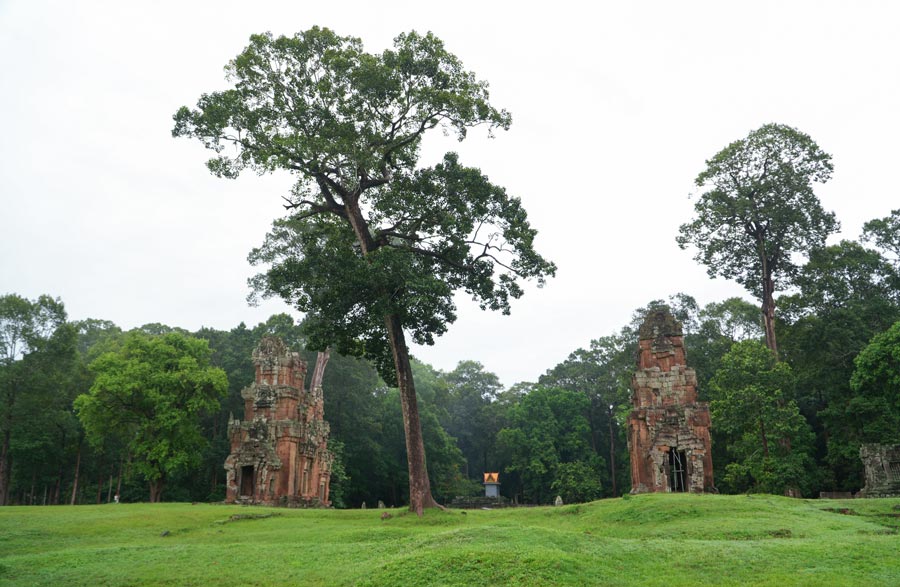
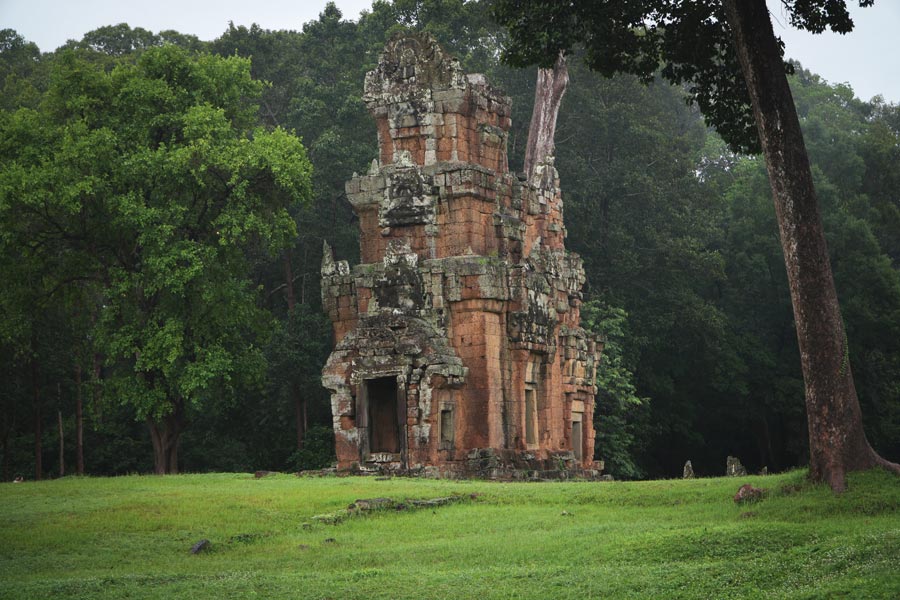
Prasat Suor Prat
The twelve towers of Prasat Suor Prat, also dating to the reign of Jayavarman VII, line the royal square opposite the Terrace of the Elephants. Their purpose remains debated—some suggest ceremonial or judicial use, while others see them as symbolic guardians of Angkor Thom’s central plaza.
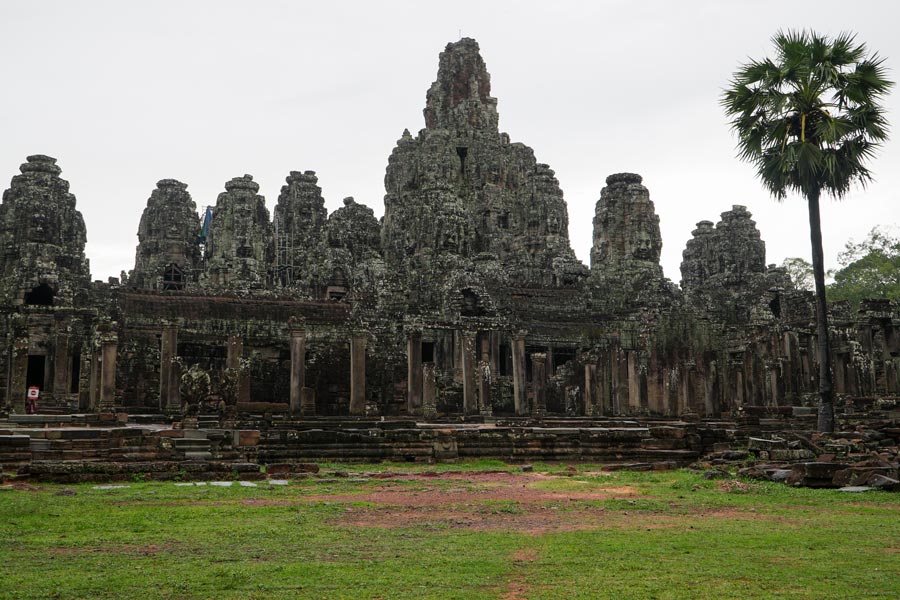
Bayon Temple
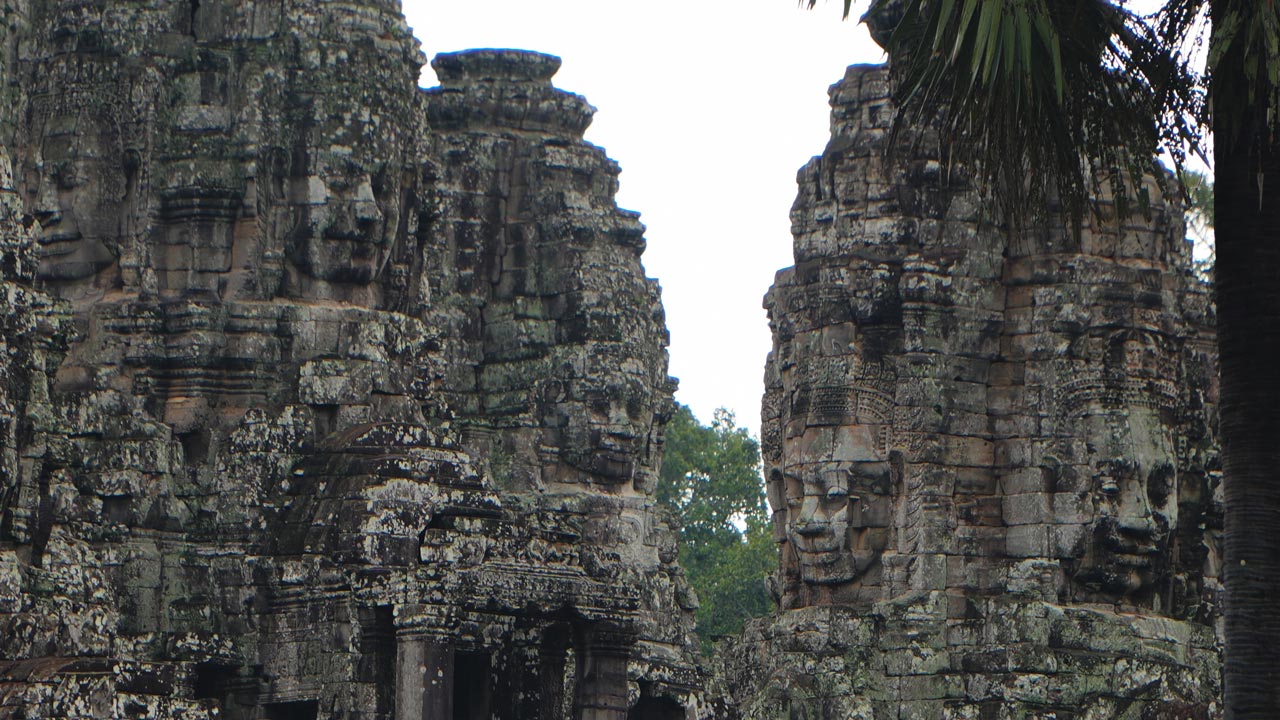
At the very heart of Angkor Thom stands Bayon Temple, constructed in the late 12th to early 13th century. Famous for its enigmatic stone faces and detailed bas‑reliefs, Bayon represents both the spiritual and political center of the Khmer Empire, capturing everyday life and mythological scenes in stone.
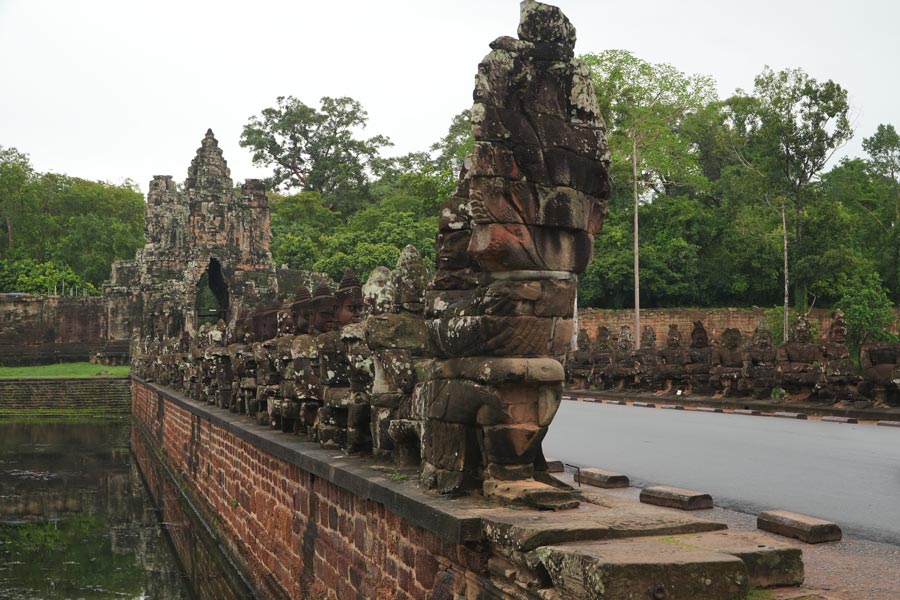
South Gate of Angkor Thom
The South Gate, one of the five entrances to Angkor Thom, is among the most iconic. Its towering faces and naga‑lined causeway symbolize protection and cosmic balance. Built under Jayavarman VII, it remains a dramatic entry point into the ancient city.
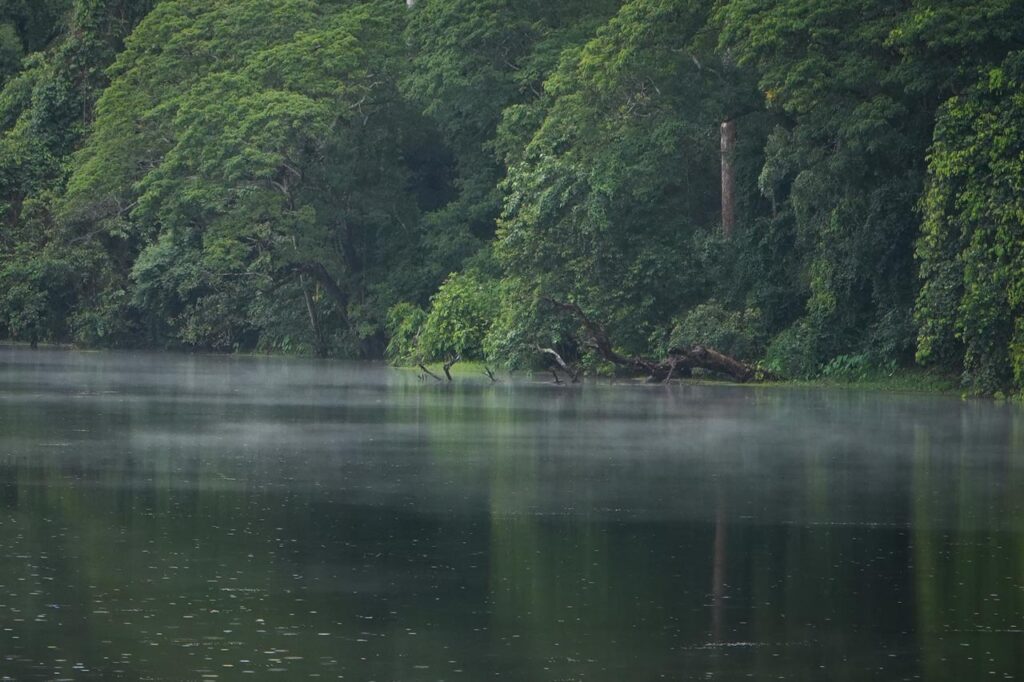
Reservoir of Angkor Thom
Part of Angkor’s vast hydraulic system, the Angkor Thom Reservoir reflects the empire’s mastery of water management. These reservoirs sustained agriculture and symbolized prosperity, while also serving as serene landscapes within the city.
My Experience
Exploring Angkor Thom during the green season was unforgettable. The rain brought a hush over the royal square, and each monument revealed a different mood. At the Terrace of the Elephants, carvings glistened under the drizzle. The towers of Prasat Suor Prat stood like silent guardians, softened by mist. Bayon’s smiling faces shimmered in reflections, timeless and serene.
At the South Gate, fog drifted across the reservoir, creating dreamlike doubles of the statues and water. With my umbrella and camera, I wandered through this rain‑washed city, savoring the quiet rhythm of drops on stone and leaves. Few visitors lingered, so the experience felt deeply personal—just me, the temples, and the timeless spirit of Angkor Thom wrapped in rain and fog
Frequently Asked Questions
Q1: What is the best time to visit Angkor Thom?
A: The green season (May–October) is especially beautiful, with lush landscapes, fewer crowds, and a peaceful atmosphere during light rains. The dry season (November–April) offers clear skies and easier travel conditions.
Q2: Do the temples remain open during the rainy season?
A: Yes, all major temples and landmarks in Angkor Thom remain open year‑round. Rain showers are usually brief, and many visitors enjoy the unique atmosphere they create.
Q3: What should I bring when visiting during the green season?
A: Essentials include a light umbrella or raincoat, comfortable walking shoes, and a camera to capture the misty, rain‑washed beauty of the temples.
Q4: Is photography allowed at Angkor Thom sites?
A: Absolutely. Photography is encouraged, and the rain often enhances carvings and reflections, making for stunning shots. Just be mindful of slippery surfaces.
Q5: How long should I plan to explore Angkor Thom?
A: A full day is recommended to see highlights like Bayon Temple, Terrace of the Elephants, Prasat Suor Prat, South Gate, and the Reservoir. For a deeper experience, two days allow more time to enjoy the atmosphere and details.
Q6: Are guided tours available?
A: Yes, guided tours are widely available and can provide historical context, stories of King
Jayavarman VII, and insights into the symbolism of carvings and structures.
Q7: Is Angkor Thom suitable for families or casual travelers?
A: Definitely. The sites are accessible, and the green season’s cooler rains often make walking more pleasant. Families, photographers, and history enthusiasts all find Angkor Thom rewarding.
Q8: How can I get to Angkor Thom from Siem Reap City?
A: There are several ways to travel the short 7–10 km distance:
Cycling: About 30–45 minutes, scenic and active.
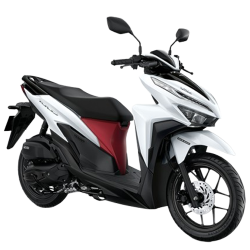
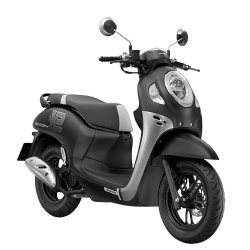
Scooter/Motorbike: 15–20 minutes, quick and flexible.
Tuk‑Tuk: Around 20 minutes, affordable and popular, with drivers often acting as informal guides.
Car/Taxi: About 15 minutes, the most comfortable option for families or groups.